
 Magnesium is one of the most important nutrients for sleep quality, muscle recovery, and stress regulation. For high-stress professionals, low magnesium intake can show up as poor sleep, muscle tension, and difficulty “shutting off” at night. Most adults need at least 420mg per day.
Eating magnesium rich foods are my favorite way to get this restorative sleep-promoting mineral. There’s a variety of sources that can dazzle your tastebuds while also adding to your sleep quality.
Getting magnesium through food also often includes other sleep-supporting nutrients, so there’s more bang for your buck.
Here are 7 magnesium rich foods you can get as snacks or meals. One may be a very welcome surprise!
 1. Pumpkin Seeds (Snack or Salad Topper)
Easy to add in salads or a mixed nut snack mix.
Magnesium: ~150 mg per ounce (~35–40% RDA)
Why it helps:
- One of the most concentrated magnesium sources
- Easy to add to meals or eat as a quick snack
 2. Spinach and Chickpea Bowl
If you aren’t a fan of chickpeas, but you like hummus, you’re in luck. That’s what hummus is made from!
Magnesium: ~150–160 mg per serving
Why it helps:
- Combines leafy greens and legumes for high absorption
- Also rich in folate (B9), supporting brain function
 3. Almonds (Snack or Yogurt Add-On)
This is a favorite snack of mine because it’s also high in protein, so I like having it on gym days. You can toss in some raisins or a few chocolate chips to sweeten it up.
Magnesium: ~80 mg per ounce (~20% RDA)
Why it helps:
- Supports muscle relaxation
- Provides healthy fats that stabilize energy
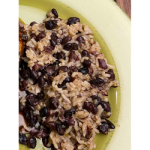 4. Black Bean and Brown Rice Bowl
This makes for a great lunch! My wife has also turned this into dinner via delicious burritos with lean ground beef in this mix.
Magnesium: ~120 mg per serving
Why it helps:
- Combines complex carbs and magnesium for sustained recovery
- Helps prevent nighttime energy crashes
 5. Dark Chocolate (70–85% Cocoa)
Yes, chocolate can be good for you. I do find that anything higher than 85 percent cocoa taste too bitter for me, but to each his own. Because dark chocolate contains caffeine, be mindful of how much you have and “when.”
Magnesium: ~65 mg per ounce
Why it helps:
- Contains magnesium and compounds that may reduce stress
- Best consumed earlier in the evening (not right before bed due to mild caffeine content)
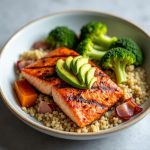 6. Salmon with Quinoa and Greens
Salmon also contains a significant amount of vitamin D. If you can get it wild caught or responsibility sustainable, it’s usually better quality.
Magnesium: ~100–120 mg per serving
Why it helps:
- Combines magnesium with omega-3s for inflammation control
- Supports both sleep and muscle recovery
 7. Tofu Stir-Fry with Vegetables
Magnesium: ~100–130 mg per serving
Why it helps:
- Plant-based, high-magnesium protein source
- Easy to prepare in under 30 minutes
I’ve cooked this quickly with a wok, using a little bit of cooking oil, salt, and lemon pepper seasoning.